Tensor Network Methods for Many-Body Physics

Tensor networks represent many-body quantum states efficiently. Their history, mathematics, graphical notation and uses in physics and chemistry.
Tensor networks represent many-body quantum states efficiently. Their history, mathematics, graphical notation and uses in physics and chemistry.

How quantum phase estimation is used to compute molecular energies, how it compares with VQE and the resources it requires.

How molecules are simulated on qubits: mapping electrons to qubits, algorithms such as VQE, and uses in materials, catalysts and drugs.

Digital quantum simulation breaks a system’s time evolution into sequences of gates on a quantum computer. Methods, uses and hardware limits.

Methods for simulating quantum many-body systems, from tensor networks to quantum computers, and their uses in materials science.

IBM’s quantum roadmap compared with what it has delivered: Eagle, Heron, Condor, Quantum System Two, Qiskit and targets to 2033.

Variational quantum methods, such as VQE and QAOA, are the main algorithms for today’s noisy hardware. The variational principle and uses.

Which quantum chemistry simulations run today, classical methods such as Hartree-Fock and DFT, and where quantum computers might add value.

Photonic quantum computing uses photons as qubits. How photons encode information, uses in cryptography and the challenges of scaling up.

Quantum chemical dynamics follows how molecules move and react in time, including tunneling and energy transfer. Methods and uses.

Which methods are used to run drug discovery problems on quantum hardware, such as VQE and phase estimation, and what they achieve today.
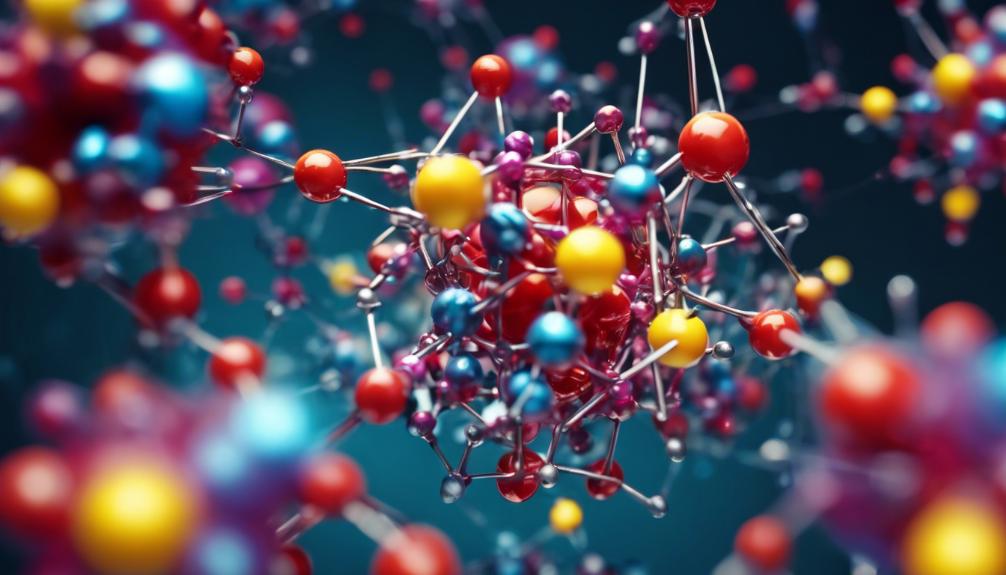
How quantum simulation models materials from atomic interactions up, predicts properties and could speed up the design of new materials.